


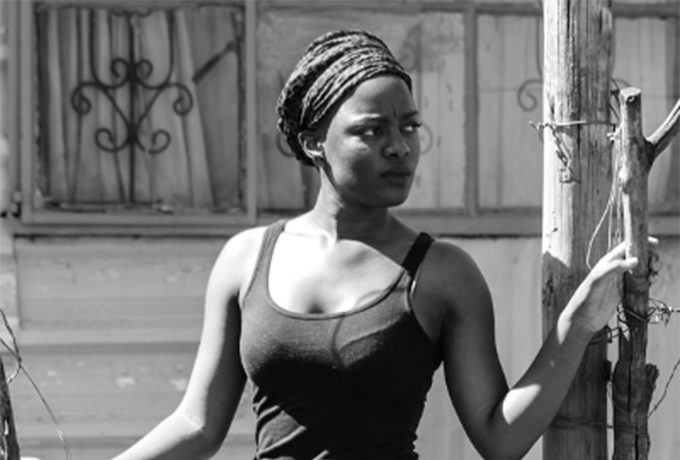
Photo by: Nkululeko Mabena
Many women and girls in our society have little or no money of their own, and this makes them vulnerable to gender violence, sexual exploitation, or modern slavery. It also limits their life chances.
Universal Basic Income (UBI) is financial support which is provided via the state as a regular, standard recurring repayment to individuals. It can be considered a means of restoration of dignity for all, not just to alleviate destitution (a basic social safety net or grant), but would give every South African a stake in their community, their province and their nation. Let’s examine some examples where UBI would radically impact the ability of women and girls to make different choices about their lives.
Imagine having to choose between studying and buying food. You may be shocked at how many young women studying at government universities today have to do sex work or opt to date men who are older (so-called “Blessers”) in order to eat or to be able to pay for their accommodation. Imagine being able to travel to a job interview without the trauma of finding taxi fare; or paying for your driver’s licence without borrowing from a loan shark.
Beyond essentials, imagine being able to buy more stock for your small business, insure your valuables, get legal advice when you need it, and afford creche fees for your children even if you haven’t found work.
Women constitute a majority of the poor and are often the poorest of the poor. The societal disadvantage and the inequalities they face because they are women shape their experience of poverty differently from that of men – poverty massively increases their risks of abuse and even death. In other words, poverty is a gendered experience.
This Women’s Day, I’m asking why are we not more economically ambitious for our women and girls? Why does a government department continue to fund Women’s Day events that change nothing? And why do politicians think this small grant (Covid-19 relief) is enough to raise a family on? When I recently got funds to facilitate my attendance at a training course, my relief grant was stopped. This unfair approach meant I had to choose whether I go to the training course or eat. I could not do both, which was the point of the transport money in the first place – for me to eat AND get some benefit from the training course.
Women are penalised at every turn by policies which do not address our realities. I say it’s time we raised our collective voices to change the economic structures to those more suitable to our ‘developmental state’, as our President describes South Africa. We can no longer dabble in first world economic policies which don’t address the ‘between world’ that most South African women have to live in.
This Women’s Day, take a moment to find out about UBI and what a massive impact this approach would make in millions of homes across South Africa. Only through a radical economic stimulus such as UBI can we have half a chance at achieving our ambitions long promised in the Freedom Charter and Constitution. Those promises are virtually in tatters now, almost 30 years since we voted as equals in our own country. We’ve forgotten that for the majority of women, it takes more than a vote to get over apartheid. This Women’s Day, learn how #UBI can restore the dignity of all, particularly women; and then join others who are also seeing the possibilities UBI creates for a better South Africa.
For more information, read Social Policy Initiative’s (SPI) work on a UBI here: https://www.spi.net.za/basic-income-grant/
You can also follow SPI on the following social media platforms:
Twitter: @SPI_OfficialZA
Facebook: Social Policy Initiative
Instagram: @spi_za
By Puleng Motaung
Community intern, social commentator and campaigner