


Kabwe Community Appeals Class Action Decision in Johannesburg High Court Against Anglo American
20/01/2024
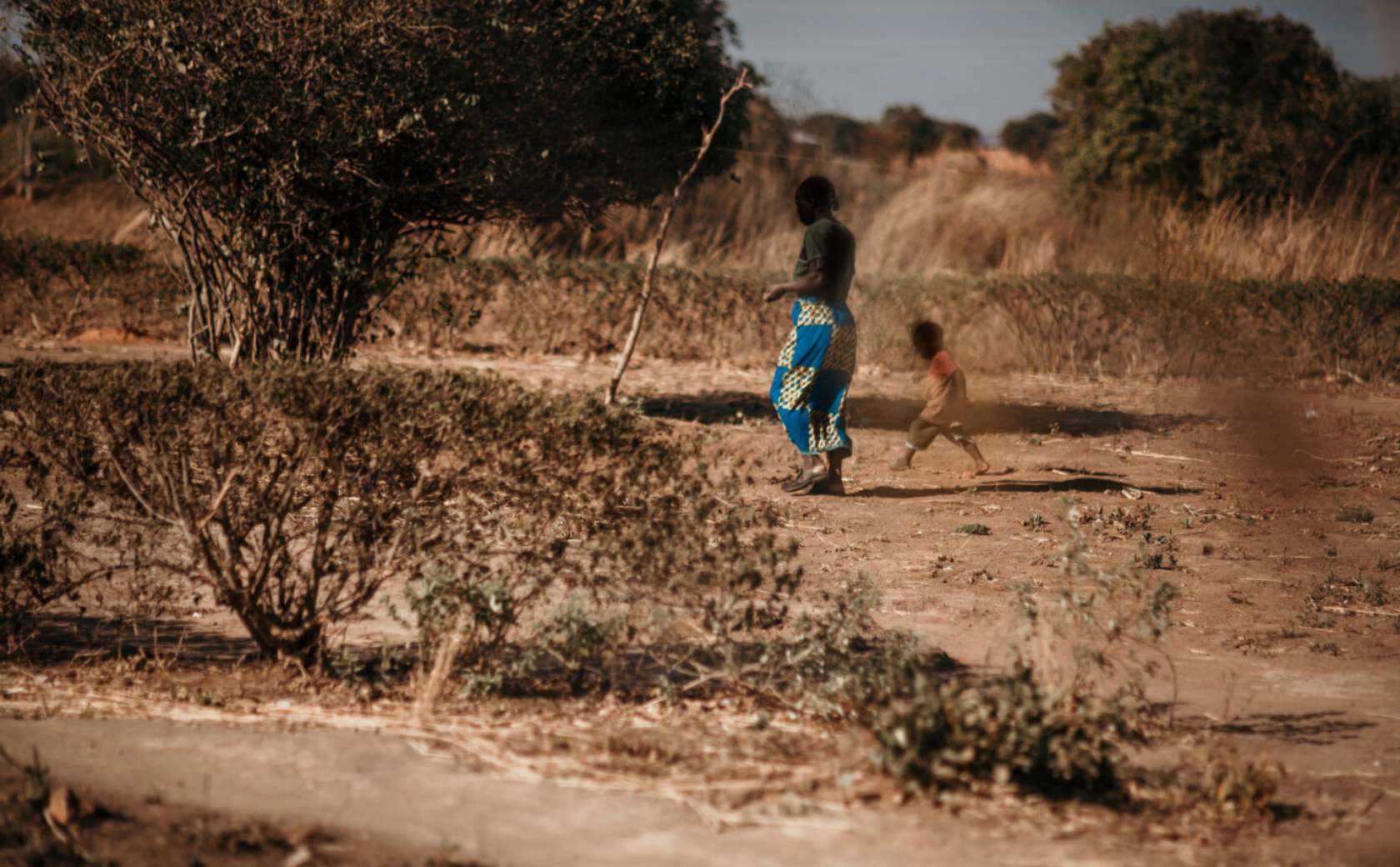
©JessHurd
After the South African high court stopped a historic class action in December, seeking justice for 140,000 women and children, the Kabwe community has appealed.
The decision to deny access to justice for the 12 claimants bringing a case for compensation, on behalf of an estimated 140,000 Zambian women and children suffering from lead poisoning, was appealed this week by the claimants’ lawyers Mbuyisa Moleele Attorneys with their consultants Leigh Day.
Kabwe, a town in northern Zambia, and its surrounding area is one of the most lead-polluted places in the world, according to pollution experts. Its residents have been seeking remedy and clean-up for decades, as generations of women and children continue to suffer from the harmful effects of lead poisoning in the environment.
Between 1925 and 1974, the town was the site of a large Anglo American lead mine. It is alleged that the defendant oversaw and provided technical and medical advice on the mine’s operation, deficiencies that resulted in heavy contamination of the local environment, poisoning the local community for several generations.
As early as 1969 to 1970, a doctor at the mine, Dr Lawrence, sounded the alarm on lead poisoning in Kabwe after investigating the blood lead levels (BLLs) of 500 local children. This was confirmed by Dr A.R.L Clark in 1975, another doctor at the mine, who surveyed the BLLs of children for five years and found heavy atmospheric lead contamination prior to 1975. The elevated levels of lead pollution correlated with dangerously high BLLs within the community. The company failed to clean-up before handing over the mine to a Zambian state-owned company, ZCCM.
Lead poisoning has serious harmful effects on the body, especially in children and pregnant women. The World Health Organization (WHO) states there is no safe level of lead in the body, and comparable levels to Kabwe do not exist anywhere in the global North.
Anglo American contested the lawsuit arguing that ZCCM is responsible for current lead pollution in the Kabwe environment.
Lord Peter Hain, Hon Vice President to ACTSA, addressed Anglo’s investors in 2022 pointing out the company’s ESG commitments: “Alarm bells will surely ring for Anglo American investors, aware of the increasing importance of strong Environmental, Social and Governance (ESG) business policies, about the damage the Kabwe case is doing to Anglo’s reputation.”
As a result of the first ruling, hundreds of thousands of women and children continue to be harmed by the lead pollution left behind in Kabwe. However, the commitment from claimants to pursue the appeal, and the resolve of the lawyers to find the best possible outcome for those affected by lead poisoning continues.
Together with our civil society partners including RAID, London Mining Network and CJC, ACTSA stands with the Kabwe community as they continue to seek urgent medical assistance and clean-up of the devastating toxic lead legacy.
Seven groups, including Amnesty International and the Southern Africa Litigation Centre (SALC), had submitted third-party interventions on the case as amici curiae (“friends of the court”). This included the UN Special Rapporteurs on toxins and human rights, and the UN working group on discrimination against women and girls
For more information, including medical reports and a detailed history of the case, visit website here
Notes for editors:
- The Kabwe mine was under the Anglo American group between 1925 and 1974.
- The claim is against AASA, the Johannesburg-based former head office parent company of the Anglo American Group.
- The case against AASA is based on the management, control and oversight of specific functions of the subsidiary operations pertaining to environmental lead emissions and lead poisoning.
- The 126-page judgment was delivered on Friday 15 December by Justice Windell of the Johannesburg High Court.